







Search Results for: naming techniques

A Complete Guide to Mandheling Pour-Over Techniques: How to Fully Unleash the Flavors of a Dark Roast Through Parameters and Technique
Mandheling is a regular on the bean list of specialty coffee shops, and Front Street Coffee is no exception, offering everything from everyday drinking beans to Golden Mandheling and Tiger Mandheling, all the way to aged and natural versions. But many people are not satisfied with the flavor presentation of pour-over Mandheling—how should this dark-roasted bean be brewed to highlight its distinctive full body, herbal, chocolate, and caramel notes? This article starts from Front Street Coffee's actual production experience, first clarifying the origin of the name Mandheling and the classification of the Sumatra producing region, then comparing the flavor differences between Golden Mandheling and Lintong Mandheling, and finally providing the dripper choice, coffee-to-water ratio, water temperature, grind size, and staged extraction technique suitable for dark-roasted beans, to help you consistently brew a cup of Mandheling with layered complexity and a long-lasting sweet finish at home. [more…]

A Detailed Guide to Six Pour-Over Coffee Brewing Techniques: One-Pour, Three-Stage, 4:6 Method, Variable Temperature, Volcano Pour, and Stirring Method
The charm of pour-over coffee lies in the diversity of brewing methods, as different pouring techniques bring out entirely different flavor expressions. This article systematically sorts through six common pour-over techniques—single-pour, three-stage, 4:6 method, Santuario variable-temperature brewing, volcano pour, and stirring method—analyzing each one by one from the logic of pouring, parameter ratios to flavor characteristics, and explaining their respective applicable scenarios and operational difficulties. Using specific parameters such as 15g coffee to 225ml water and 20g coffee to 300ml water as examples, the article helps readers understand the extraction principles behind each technique. At the same time, it retains Front Street Coffee's practical experience with the three-stage method and grind adjustment for coffee enthusiasts to refer to and compare. [more…]
Analysis of Six Classic Pour-Over Coffee Brewing Methods: Techniques and Flavor Differences from One-Pour to Stirring
The charm of pour-over coffee lies in its rich and varied brewing methods, with different techniques bringing out completely different flavor expressions. This article systematically sorts out six common pour-over techniques—one-pour flow, three-stage, four-six method, three-temperature brewing method, volcano pour, and stirring method—explaining in detail the operational key points, applicable scenarios, and flavor characteristics of each technique. From the logic of dividing pouring stages to extraction strategies based on water temperature changes, from adjusting grind size to the influence of stirring intensity on fine particle migration, the content balances theoretical principles with practical details. The article also specifically shares the three-stage brewing parameters used daily at Front Street Coffee, as well as the grinding solutions offered to address the easy over-extraction problem of the four-six method, making it suitable for coffee enthusiasts who wish to refine their brewing skills. [more…]

Sharing the Five Major Pour-Over Coffee Techniques | Does the Pouring Technique Affect Coffee Extraction? Flavor Comparison and Differences of Pour-Over Coffee Using the Three-Stage Volcano Pour Stirring Method
Compared to other single-origin coffees, pour-over coffee has a great many brewing methods. For example: one-pour, three-stage, volcano pour, variable-temperature brewing, stirring, and so on. Today let's get to know some of the brewing methods that commonly appear in pour-over coffee~ 1. One-pour The one-pour method and the single-pour method are still [more…]
A Complete Analysis of the Origin of the Name, Production Process, and Brewing Techniques of Phoenix Dancong Ya Shi Xiang
Among the many tea names, "Duck Shit Aroma" is undoubtedly one of the most unforgettable oddities. On first hearing it, most people will wonder: does this tea really have something to do with duck droppings? Is it the same thing as cat shit coffee? In fact, Duck Shit Aroma is an extremely outstanding aromatic variety of Phoenix Dancong oolong tea. Although its name contains the word "shit," it has nothing to do with actual duck droppings. Regarding the origin of this name, several interesting versions circulate among the people. This article will take everyone to explore the story behind the name Duck Shit Aroma, sort out its varietal characteristics and processing flow, and include the correct brewing method, so that coffee lovers can also easily get started with this highly aromatic oolong. [more…]
Analysis of Six Major Pour-Over Coffee Extraction Methods: Comparing the Characteristics of One-Pour, Three-Stage, 4:6 Method, Santai Warm, Volcano Pour, and Stirring Method
The charm of pour-over coffee lies in its ever-changing brewing methods, where different techniques bring out completely different flavor expressions. This article will systematically break down six common pour-over techniques—one-pour, three-stage, 4:6 method, three-temperature brewing, volcano pour, and agitation method—analyzing each one from water-pouring logic and parameter settings to flavor direction. Whether you're a beginner just getting into pour-over or an advanced player looking for a breakthrough, you'll find a key that suits you. At the same time, Front Street Coffee will also share its most commonly used three-stage brewing experience, helping you understand the underlying principles of flavor release, so you can draw inferences and apply them flexibly. [more…]
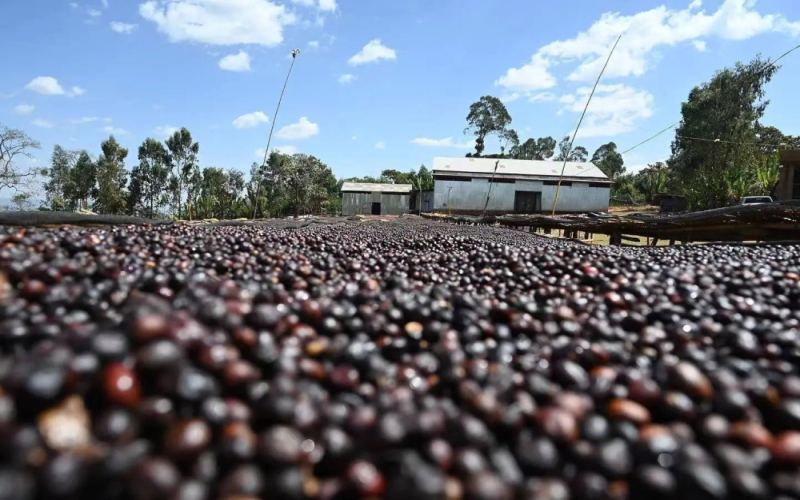
Ethiopia Sidamo Flower Queen Pour-Over Guide: A Full Analysis of Water Temperature, Coffee-to-Water Ratio, and Brewing Techniques
Sidamo is a high-altitude specialty coffee region in southern Ethiopia, long cherished by coffee lovers for its rich fruity notes and elegant floral aromas. The specialty lots on Front Street Coffee's bean list, such as Huakui 8.0, Santa Vini, and Aro, all come from this region. This article begins with Sidamo's geographical environment, variety resources, and historical evolution, then focuses on analyzing practical parameters for Huakui pour-over, including dripper selection, water temperature range, grinding setting judgment, coffee-to-water ratio, and the three-stage pouring technique. Whether you are a beginner just getting into pour-over or an experienced player looking to refine your technique, you will find actionable operational references here. [more…]
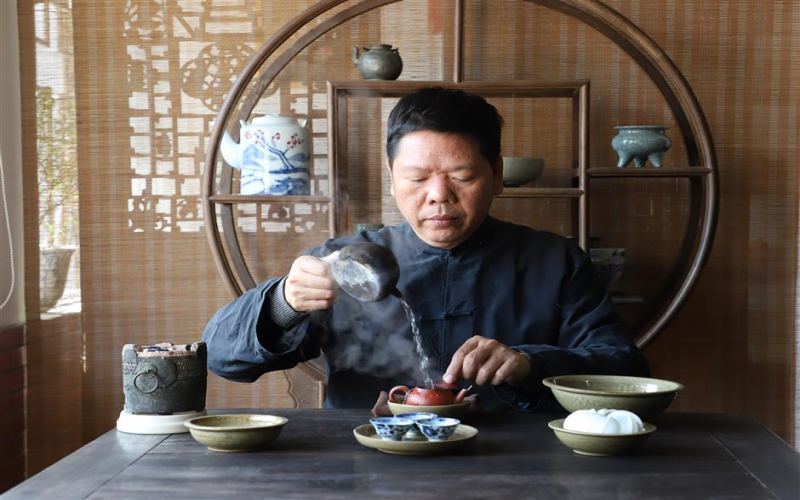
Does Duck Shit Aroma Dancong Oolong Tea really smell like duck shit? Exploring the origin of its name, processing techniques, and unique qualities
Duck Shit Aroma—a tea with a rather unconventional name—often sparks curiosity: does it really smell like duck droppings? And what connection could it possibly have to cat shit coffee? In fact, Duck Shit Aroma is one of the most richly fragrant varieties of Phoenix Dan Cong oolong tea, and behind its name lies an intriguing story. This article will guide you through the origins of the name Duck Shit Aroma, its unique growing environment and characteristics, the six processing steps from picking to finished tea, and how to perfectly brew it in a gaiwan so you can savor its intertwined aromas of almond, flowers, and fruit with a long-lasting sweet aftertaste. If this tea sparks your interest, why not give the Duck Shit Aroma recommended by Front Street Coffee a try and experience the fascinating contrast between its name and its true character. [more…]

Panama Aurora Estate Ironman Geisha Pour-Over Tutorial: Three-Pour Technique and Flavor Analysis
Front Street Coffee recently introduced a Camilina Geisha coffee bean from Panama's Aurora Estate, whose flavor falls perfectly between Hacienda La Esmeralda's naturally processed Red Label Geisha and washed Green Label Geisha, showcasing smooth fruit acidity and rich layers. Aurora Estate is located in the valley on the western side of Baru Volcano. The estate owner, Roberto Brenes, once won the 2013 Best of Panama championship with a washed Geisha and named the champion batch "Ironman." This article will share, in detail, the three-stage pour-over parameters and flavor performance of this bean, from the estate's background and the variety's story to Front Street's roaster's medium-light roast recommendations, taking you to experience the charm of a Geisha that drifts as lightly as the aurora. [more…]
An Analysis of the Seven Major Pour-Over Coffee Schools: A Full Comparison of Brewing Techniques Including the One-Pour and Three-Pour Methods
The charm of pour-over coffee lies not only in the flavor itself, but also in the ever-changing brewing techniques. In coffee enthusiast circles, there are seven major brewing schools: volcano pour, meteor pour, one-cut pour, three-cut pour, tamped pour, stirring method, and drip pour. Except for the drip pour, all the other methods use circular pouring. Each school has its own unique extraction logic and flavor orientation—some pursue layering, some emphasize sweetness, and some are better suited for enthusiasts to explore. This article breaks down the key operational points, pros and cons, and suitable scenarios for each method one by one, and includes practical advice from Front Street Coffee to help you find the style that suits you best in your daily brewing. [more…]
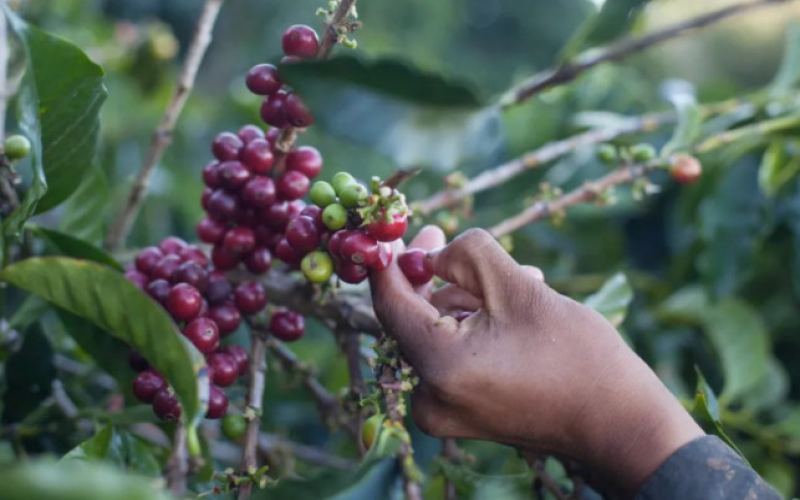
Tracing the Origins of Ethiopian Coffee Regions: Flavor Evolution and Pour-Over Techniques for Yirgacheffe and Sidamo
Ethiopia, the birthplace of coffee, has contributed countless exceptional single-origin coffees to the world over centuries. From the mysterious legend of Kaldi the shepherd to the unique Jebena clay pot brewing ritual; from the washing technique innovations of Yirgacheffe to the championship legend of Sidamo's Flower Queen coffee—this highland has always conquered coffee lovers' palates with citrus, jasmine aromas, and bright acidity. This article will guide you through the cultivation traditions of Ethiopian coffee, decode the flavor secrets of the two major specialty regions, Yirgacheffe and Sidamo, and include pour-over parameter recommendations for Front Street Flower Queen coffee beans. [more…]
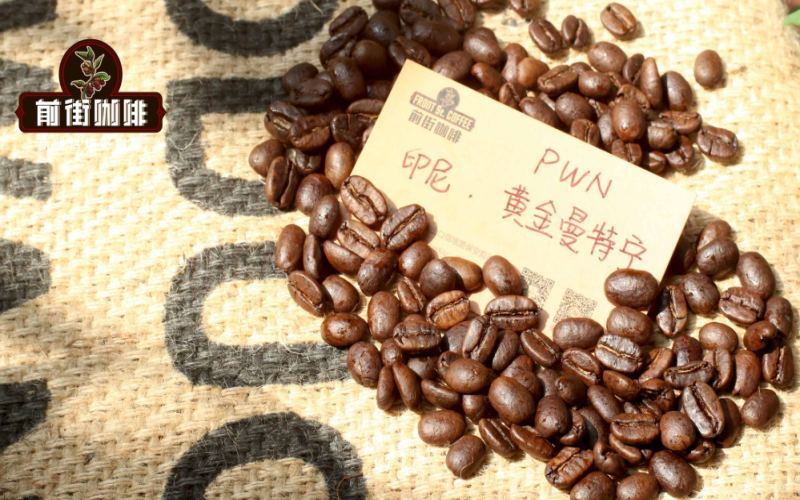
Mandeiling Pour-Over Technique in Detail: How to Brew a Sweet, Clean, Full-Bodied Dark Roast Coffee Without Bitterness
Mandheling coffee is known for its rich body and distinctive herbal aroma, but dark-roasted beans can easily produce a burnt, bitter taste when brewed as pour-over. This article begins with the history of Front Street PWN Golden Mandheling and provides a detailed guide on how to brew a clean, sweet cup of Mandheling pour-over with caramel and chocolate notes through dripper selection, coffee-to-water ratio, grind size, water temperature control, and a three-stage pouring technique. If you are also frustrated that your Mandheling always turns out too bitter, this article offers clear and practical solutions. [more…]
A Detailed Guide to Six Pour-Over Coffee Brewing Methods: Flavor Comparison of One-Pour, Three-Pour, 4:6 Method, Three-Temperature, Volcano Pour, and Stirring Method
The charm of pour-over coffee lies in the diversity of brewing methods; different pouring techniques directly affect the flavor expression and mouthfeel layers of the coffee. This article systematically sorts out six common pour-over techniques: the one-pour method, the three-stage method, the 4:6 method, the three-temperature brewing method, the volcano pour, and the stirring method. From the number of pouring stages, coffee-to-water ratio, extraction time, to grind adjustment, it analyzes one by one the principles and applicable scenarios behind each method, helping coffee enthusiasts understand the release order of sour, sweet, and bitter substances, and choose the most suitable brewing strategy according to the characteristics of the beans, so as to consistently brew a good cup of coffee that suits their own taste. [more…]

The Origin Legend, Processing Techniques, and Analysis of Four Classic Varieties of Indonesian Mandheling Coffee
Mandheling is one of the coffee beans most familiar to Chinese consumers, yet its name is neither a region nor a variety—behind it lies a story of linguistic misunderstanding from the World War II era. This article begins with its historical origins, tracing the Dutch introduction of the crop, the rust disease disaster, and the legend of Japanese soldiers encountering the Mandailing people, then delves into Sumatra's unique wet-hulling process and three-stage drying technique, analyzing the flavor differences and brewing suggestions for the four types of Mandheling—Lintong, Golden, Tiger, and Aged—to give you a comprehensive understanding of this rich and full-bodied classic coffee. [more…]
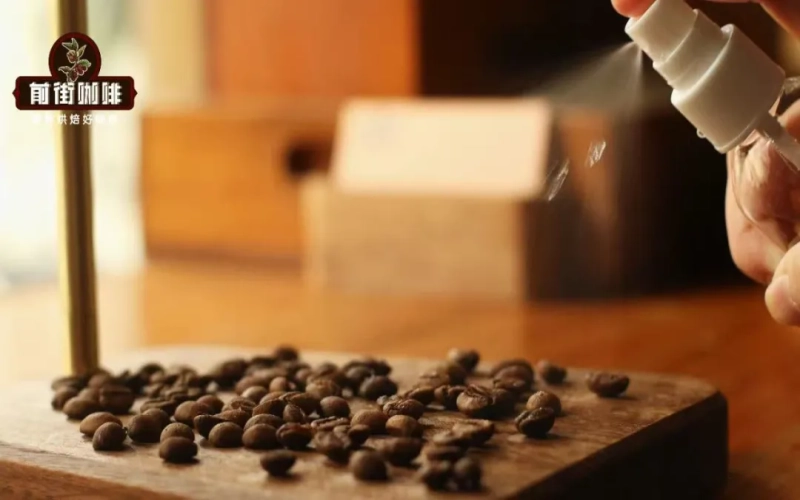
Can spraying water on coffee before grinding reduce static clumping? A detailed explanation of the principles, effects, and limitations of the RDT technique
Among the many supplementary techniques for making coffee, RDT (Ross Droplet Technique) is a method of reducing static electricity and clumping by spraying water onto coffee beans before grinding. Its principle is not complicated: during grinding, coffee beans generate static electricity due to friction and uneven charge distribution, causing fine particles to stick together into clumps, which in turn lowers the extraction yield and induces channeling. RDT can effectively alleviate this problem, but it also has obvious shortcomings—it is only suitable for single dosing, the water amount is difficult to control, and long-term use may damage the burrs. In this article, Front Street Coffee breaks down the ins and outs of RDT, its actual effects, and its operational limitations in detail, and offers a more reliable alternative. [more…]

A Comprehensive Comparison of the One-Pour and Three-Pour Hand-Brew Methods: Core Differences, Pros and Cons, and Key Steps for the One-Pour Technique
The pouring method in pour-over coffee directly affects the flavor in the cup, and the one-pour and three-stage methods are the two most common approaches. The one-pour method divides the target water volume into two pours, finishing the remaining water all at once after blooming; its name comes from the "one cut, two pieces" concept in Japanese swordsmanship, and though it appears simple, it is the hardest to control. The three-stage method divides the water into multiple pours, giving the brewer more time and opportunities to adjust extraction, with a noticeably higher margin for error. Front Street Coffee has found in daily practice that beginners using the one-pour method often encounter problems such as weak flavor, sharp acidity, and a flat, one-dimensional profile, the root cause being that nearly ninety percent of the water is poured in a single go, leaving no room for correction. This article will systematically sort out the differences between the two methods, analyze the effects of flow rate and pour height on extraction, and explain what techniques and parameter conditions are required to brew good coffee with the one-pour method. [more…]
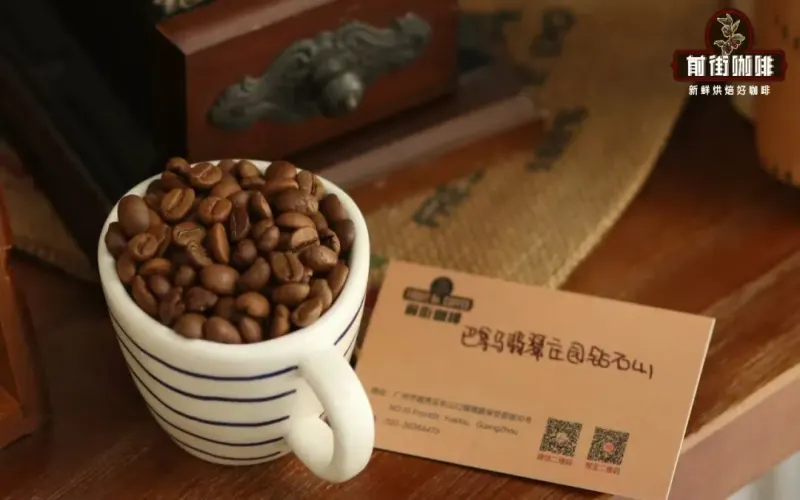
A Complete Guide to Hacienda La Esmeralda Diamond Mountain Coffee: Catuai Variety Characteristics and Pour-Over Layering Enhancement Techniques
After Hacienda La Esmeralda won the BOP with Geisha in 2004, it became almost synonymous with Geisha, but this legendary estate actually produces other varieties as well, among which the Diamond Mountain series is particularly worth noting. The main product of Diamond Mountain is Catuai, grown at two high-altitude estates, Cañas Verdes and Jaramillo, at an average elevation of 1,400 to 1,700 meters. This article will introduce the variety background and processing methods of Diamond Mountain, and share Front Street Coffee's pour-over brewing recipe for Panama Diamond Mountain, covering dripper selection, grind size, water temperature, coffee-to-water ratio, and staged pouring technique, to help you brew a cup with rich layers combining citrus sweetness, honey-like mouthfeel, and a cocoa finish. [more…]
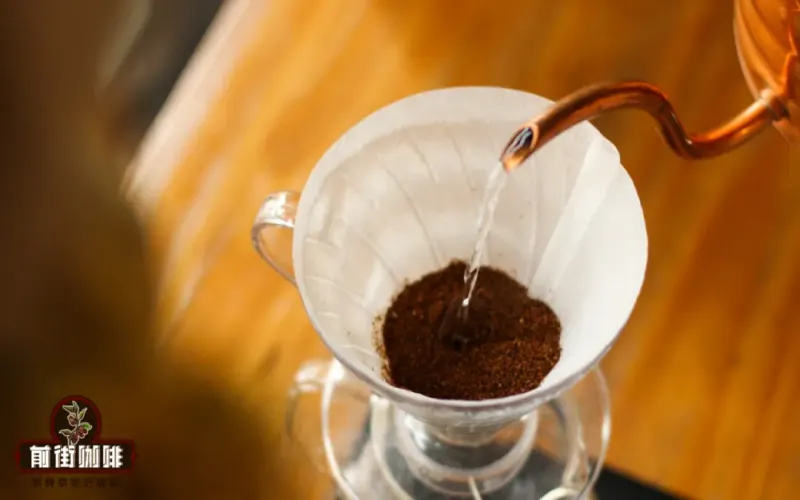
Pour-Over Coffee Water Pouring Techniques Explained: Key Steps of Scott Rao's Spin and Shake Method and Dripper Flow Control Tips
Among the many pouring techniques in pour-over coffee, there is one method that looks quite bold and unrestrained—the Rao Spin, created by coffee industry celebrity Scott Rao. This multi-talented figure—roaster, barista, and author—is renowned in the industry for his books such as The Coffee Roaster's Companion, The Professional Barista's Handbook, and The Coffee Brewer's Handbook. In Rao Spin, "Spin" means to rotate or shake, so Front Street Coffee habitually calls it the Lao-style shaking method. This article will introduce the origins and characteristics of this brewing method, break down its pouring steps in detail, and also discuss the principle behind gripping the dripper to control the flow rate. [more…]
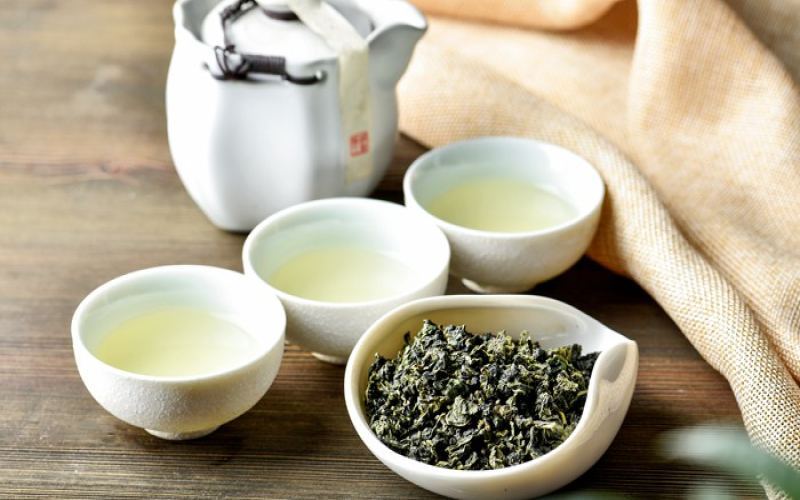
How Many Types of Tieguanyin Are There Exactly? A Comprehensive Interpretation from Origin Legends to Cultivation Techniques and Aroma Characteristics
Tieguanyin is one of the most iconic types of Chinese oolong tea, with a tightly rolled appearance, a bright floral aroma, and a long, sweet aftertaste. It is made from a special cultivar of the tea plant, whose leaves resemble peach leaves, with slightly slanted tips and a pinkish hue at the center. Regarding the origin of Tieguanyin, two very different legends circulate among the people: one is associated with a poor farmer named Wei, and the other with a scholar named Wang who presented the tea to the Qianlong Emperor. This article will outline the cultivation and production process of Tieguanyin, explain the flavor differences between the two major types, Anxi and Muzha, and analyze the impact of roasting level and plucking season on tea quality. It will also introduce the flavor orientation of related Front Street Coffee products, helping coffee and tea enthusiasts build a clearer understanding. [more…]
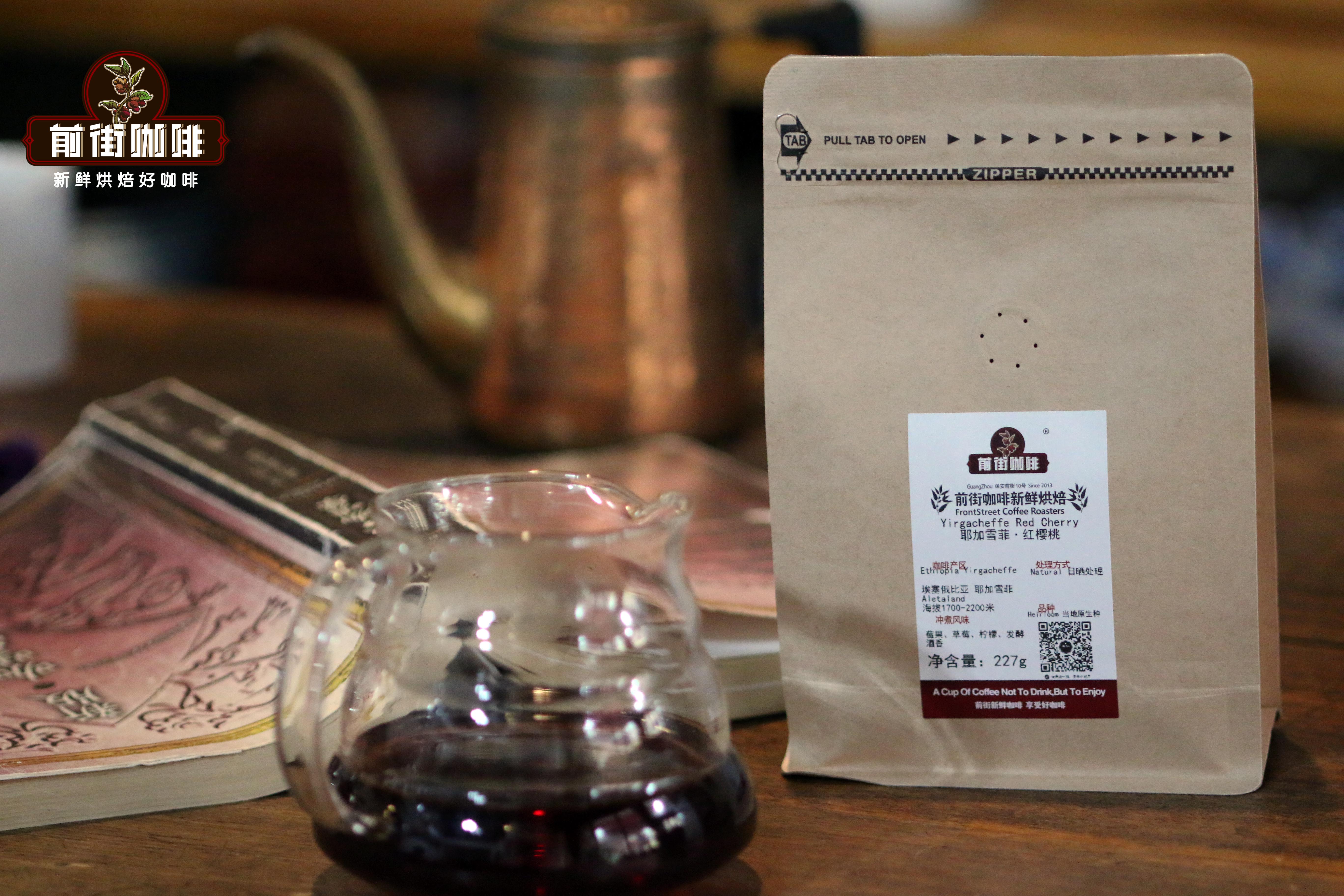
Ethiopian Yirgacheffe Coffee Bean Region Analysis: Washed vs. Natural Flavor Differences and Pour-Over Techniques
Yirgacheffe is where many coffee lovers take their first step into the world of specialty coffee. This highland region in southern Ethiopia, with its unique microclimate and processing methods, produces a cup profile reminiscent of floral and fruity tea. This article systematically traces the origins of the Yirgacheffe growing region, the flavor tendencies of the two major processing methods—washed and natural—and, drawing on Front Street Coffee's bean lineup and brewing experience, offers readers a complete reference from bean selection to extraction. [more…]